1) Рыночный фон (Перспективы + тенденции)
В Бразилии свалки все больше конкурируютнадежность отправкиНе только изготовление лома. Смешанный тяжелый лом от сноса, изготовления и промышленного обслуживания часто прибывает сверхразмерным и нерегулярным.Слишком большие кусочки разбросаны по дворуЭто создает распространенную проблему "резания в спешке": резание происходит только при прибытии грузовиков,что приводит к пропущенным окнам погрузки и несоответствующему качеству груза.Именно поэтому перспективыОбрезка контейнерного лома весом 630 тоннВыделенная высокомощная станция размера помогает заводам преобразовывать смешанный тяжелый лом в последовательные, загружаемые куски на ранних этапах процесса.Нагрузка становится теснее., и ежедневное планирование рассылки становится намного проще.
2) Материалы клиентов (профиль сырья)
Входящий поток бразильских покупателей был в основном тяжелым железным металлоломом, в том числе:
Структурные отрезки из стали (I-билы, каналы, углы) от сноса и изготовления
Строй круглый и квадратный, требующий контролируемой резки и постоянной длины
Обрезки из плит и смешанные громоздкие кусочки, которые ранее создавали "проблемные элементы"
Типичные цели размеров, выравниваемые с распространенными тяжелыми формами, такими как квадратные 120×120 мм, круглые Ø130 мм и пластины до 40×1000 мм
3) Целевая мощность (цель производства)
Заказчик хотел, чтобы резка стала рутинным шагом, который соответствует ежедневной загрузке грузовиков:
Пропускная способность цели:8 ‰ 10 т/ч(зависит от материала, основан на стабильном ритме кормления)
Ритм резки цели:3 ‰ 4 резки/миндля предотвращения задержки в дни пик
Операционная цель: сократить повторную обработку и сохранить размеры перед отправкой, чтобы загрузка стала более плавной и предсказуемой
4) Ограничения сайта (Лайоу и Утилиты)
На верфи имелись практические ограничения, характерные для оживленных бразильских операций:
Ограниченное пространство вблизи погрузочной полосы, требующее компактного участка станции и чистого разделения движения
Кормление с помощью журавля/хватка, требующее широкого кормового рта для эффективной обработки смешанных партий
Необходимость свободных полос сброса и складирования для предотвращения перекрестного движения и пробок
Планирование энергоснабжения в зависимости от стабильного промышленного питания (класс 380V / 50Hz, индивидуальный по мере необходимости) и последовательной ежедневной работы
5) Почему такой тоннаж (логика отбора)
Заказчик выбралОбрезка лома контейнеров класса 630 тпотому что их смесь лома включала более тяжелые секции и пластины, которые требовали сильной режущей силыбез пожертвования ритмомРешение было связано с измеряемыми факторами:
Широкий3700 × 2500 мм пищевой ротдля практического питания краном смешанного тяжелого лома
СильныйСтойкость цилиндра (1153 кН)чтобы стабилизировать нерегулярные куски и сократить время перемещения
А.Клин 1500 мми1500 × 400 мм выходной ротдля поддержки контролируемого сброса и последовательной стадии
Стелла3 ‰ 4 резки/минритм и8 ‰ 10 т/чдиапазон мощности, соответствующий потребностям диспетчеровМеньший тоннаж был бы затруднен с более тяжелыми формами, в то время как более крупное решение могло бы увеличить объем и стоимость без улучшения реального узкого горла верфи.
6) Фактическая конфигурация (как представлена)
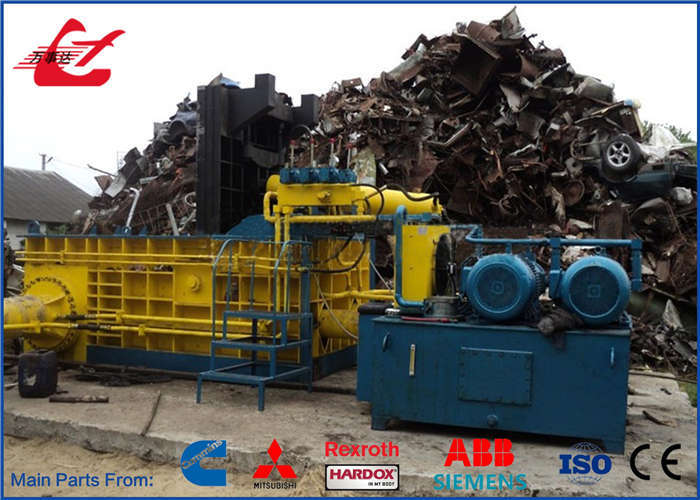
Компания Jiangsu Wanshida Hydraulic Machinery Co., Ltd.поставляется1 набор Q43W-6300A горизонтальная контейнерная металлоломка, с конфигурациейАвтоматическое управление ПЛК + дистанционное управление (Siemens),охлаждение воздухом, и совпадающий3 двигателя + 3 насосагидравлический пакет для поддержки стабильной ежедневной работы.
7) Настройка рабочего процесса (как он работает на месте)
Срез был помещен между входящей стадией и выходящей загрузкой, чтобы уменьшить ′′прикосновения на тонну".
Подача → Задержка → Вырезание → Выгрузка → Загрузка
8) Погрузка контейнеров / установка / обратная связь с пробным ходом (записки на месте)
Загрузка и упаковка контейнеров были запланированы для защиты гидравлических компонентов и обеспечения эффективного подъема и позиционирования на месте
Проверки установки сосредоточены на выравнивании, подключении к электричеству, гидравлической чистоте и безопасном разделении полосы подачи/вывода
Пробный запуск подтверждения подчеркнул удержание стабильности на нерегулярных деталей, резки консистенции ритма и разряда стадии ясности
Обучение оператора на борту, ориентированное на дисциплину питания крана и безопасные методы дистанционной эксплуатации
Заказчик сообщил, что машина работала бесперебойно и общая производительность использования былаОчень хорошо, особенно для ежедневного размера и подготовки к отправке
9) Таблица спецификаций (ключевые технические параметры)
Положение
Спецификация (Q43W-6300A)
Продукт
Q43W-6300A Горизонтальная контейнерная ломка металлическая стрижка
Количество
1 комплект
Сила резки
2890×2 кН (класс 630 ≈ 640 тонн), 2 режущих цилиндра
Силиндр с ускорением
512 кН, 1 pc
Держите цилиндр
1153 кН (118 тонн), 1 п.п.
Устье для кормления (L×W)
3700 × 2500 мм
Выходной рот (W × H)
1500 × 400 мм
Длина лезвия
1500 мм
Скорость резки
3×4 раза в минуту
Мощность
8 ‰ 10 т/ч
Гидравлическое охлаждение маслом
Система охлаждения воздухом
Давление системы
220,0 МПа (максимум 25,5 МПа)
Двигатели
Y225M-4, 45 кВт, 1480 оборотов/мин, 3 комплекта
Насосы
A7V160LV1RPFOO, 160 мл/ч, 35 МПа, 3 комплекта
Электрическое питание
380 В / 50 Гц (соответствует требованиям)
Общая мощность
Около 139 кВт
Метод контроля
Автоматический ПЛК + пульт дистанционного управления (Siemens)
Общий размер (L × W × H)
8300 × 2250 × 2900 мм
Общая масса
Около 29 тонн
Типичный отрезаемый лом
Квадрат 120×120; Угол 200×200×20 (3 шт.); Круглый Ø130; I-beam 500×162×16; Плита 40×1000; Канал 400×104×14.5 (2 шт.)
10) Примечания к условиям эксплуатации (параметры + условия работы)
Лучше всего подходит для смешанного тяжелого лома, где устойчивое удержание уменьшает перемещение и улучшает консистенцию резки
Номинальная мощность8 ‰ 10 т/чзависит от смеси лома, стабильности питания и дисциплины стадирования
Всистема охлаждения воздухомподдерживает непрерывную работу при постоянном ритме кормления
Для достижения наилучших результатов разрабатывайте свободные зоны: провод питания, провод сброса и проход складирования/погрузки для предотвращения перегрузки
11) Отзывы клиентов (первое изменение → второе изменение → последняя привычка)
Первое изменение: сверхразмерный металлолом перестал блокировать полосы, потому что размеры перешли от "последней минуты" к рутинной обработке
Второе изменение: разгрузочные свай стали более равномерными, улучшая наложение и уменьшая трение при погрузке
Последняя привычка: планирование отправки стало более спокойным, размеры резки и ритм выпуска были предсказуемыми, а ежедневные перевозки стали легче контролировать.Общая обратная связь с клиентамиочень положительно, особенно в ежедневной эксплуатации стабильности и улучшения потока двора.
12) Ключевые советы
Этот бразильский проект показывает, какОбрезка контейнерного лома весом 630 тоннможет закрепиться в предсказуемой рутине "резания и загрузки". с широким ротком питания, сильным удерживанием, стабильным ритмом резания 3 ∼ 4 раз в минуту и пультом дистанционного управления PLC,Q43W-6300A помогает преобразовать смешанный тяжелый лом в грузоподъемный, согласованные изделия, способствующие лучшей организации и более плавной доставке.
Часто задаваемые вопросы (3)
Вопрос 1: Как я узнаю, что 630-тонный класс подходит для моего двора?Если в смеси есть тяжелые участки и пластины, которые часто создают слишком большие узкие места, вам нужна достаточная сила резки, чтобы поддерживать ритм без частых перемещений.
Вопрос 2: Что больше всего влияет на реальный объем производства?Способ подачи (кран/прицеп), смесь лома и расположение стадии.
Вопрос 3: Что следует подготовить перед установкой?Подтвердить план подъема, питание, готовность гидравлического масла и очистить зоны подачи/разгрузки/накладывания для безопасного движения.
CTA:Присылайте смесь лома + максимальный размер/толщина + суточные тонны + способ подачи пищи + расположение участка.